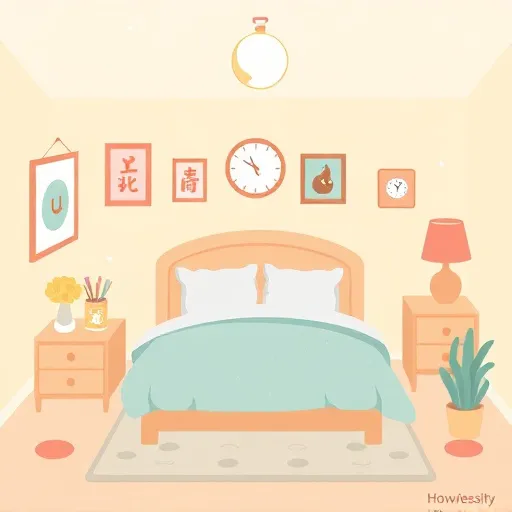
Multipurpose bedroom
Why Bedroom Feng Shui Still Matters in 2026
Let's be real—it's 2026, and your bedroom has probably turned into a full-on multi-purpose command center. It's your home office, your gym corner, your streaming station, and oh yeah, the place where you're supposedly getting those precious eight hours. The problem? All that chaos disrupts the flow of chi (or qi, if you prefer), making it way harder for your body and mind to actually wind down. Sleep specialists and feng shui consultants are totally on the same page here: your environment directly impacts your nervous system. A cluttered, poorly arranged room basically tells your brain it's go-time, not rest time. That's exactly why bedroom feng shui rules for better sleep have never been more relevant.
The core principle of bedroom feng shui is refreshingly simple: create a space that feels calm, balanced, and intentional. We're talking about positioning, decluttering, color choices, and minimizing disruptive elements. And here's the best part—you don't need to renovate your entire home. Small, strategic shifts can make a massive difference. So let's dive into the bedroom feng shui rules for better sleep that actually work in 2026.
The Commanding Position and Solid Wall Bed Placement Layout
If you take away one thing from this whole article, let it be this: the placement of your bed matters more than almost anything else. In feng shui bedroom layout, the commanding position refers to placing your bed so you have a clear view of the door from where you lie down—but you're not directly in line with it. Think of it as the sweet spot where you feel safe and in control without being exposed.
Why does this matter for sleep? It's rooted in basic human psychology. When you can see the entrance to a room, your brain feels secure. You're not subconsciously waiting for a threat to appear. On the flip side, sleeping with your feet pointing directly at the door is considered a big no-no in feng shui bedroom rules—it's associated with feeling vulnerable and can lead to restless nights. These bedroom feng shui rules for better sleep aren't just superstition; they're backed by environmental psychology.
Here's a quick checklist for the ideal bed placement:
- Place the bed against a solid wall (known as a "solid backing") to create a sense of stability and support.
- Avoid placing the bed directly under a window, as this can disrupt energy flow and make you feel exposed.
- Ensure there's space on both sides of the bed for energy to circulate and for you (and your partner) to get in and out comfortably.
- Don't position the bed under a ceiling fan or heavy light fixture—it creates subconscious pressure.
In 2026, with more people living in compact urban spaces, the commanding position might feel tricky. But even in a small studio, you can usually angle the bed or use a room divider to create a sense of security. The goal is to feel grounded and safe—two things your brain needs for deep sleep. Following these bedroom feng shui rules for better sleep doesn't require a huge space; it requires intention.
Decluttering Bedroom Clutter and Energetic Noise for Restful Sleep
Clutter is the enemy of bedroom feng shui. And in 2026, with our lives spilling into every corner of our homes, it's harder than ever to keep things tidy. But here's the thing: clutter isn't just visually distracting—it's energetic noise. Every pile of laundry, every stack of unread books, every random gadget on your nightstand sends a subtle signal to your brain that there's unfinished business. That's the opposite of what you need when you're trying to fall asleep, and it's why bedroom feng shui rules for better sleep put decluttering front and center.
Feng shui bedroom rules emphasize that your bedroom should be a sanctuary, not a storage unit. This means:
- Clear off your nightstands. Keep only essentials like a lamp, a book, and maybe a glass of water.
- Hide the electronics. A TV, laptop, or tablet in the bedroom is considered a clutter magnet and an energy disruptor.
- Deal with the "chair-drobe." You know the one—the chair in the corner covered in clothes.
- Under-bed storage? Be careful. Storing chaotic, disorganized items under your bed can create stagnant energy.
In 2026, there's also a new kind of clutter to consider: digital clutter. Your phone, smart speaker, and other connected devices can create a low-level hum of "always-on" energy. The principle stands—simplify, organize, and let your bedroom breathe. These bedroom feng shui rules for better sleep are about creating space for rest, both physically and mentally.
Calming Colors and Natural Materials for a Restful Bedroom
Color psychology is a huge part of bedroom feng shui. The colors you choose for your walls, bedding, and decor can either soothe your nervous system or rev it up. In 2026, the trend is moving toward earthy, grounding tones that promote relaxation—and the feng shui experts totally approve.
Here are the feng shui bedroom colors considered best for sleep:
- Soft blues and greens: Associated with calm, healing, and nature.
- Warm neutrals: Think beige, taupe, and soft cream—grounding and non-stimulating.
- Muted pinks and peaches: Linked to love and comfort, great for couples.
- Blush and terracotta: Earthy tones having a moment in 2026 that fit perfectly with balance and warmth.
What should you avoid? Bright reds, oranges, and neons—these are "yang" colors that energize and stimulate. Save those for your home office. In the bedroom, you want "yin" energy: cool, calm, and restful. Beyond color, consider materials. Feng shui bedroom rules favor natural fabrics like cotton, linen, and bamboo. These materials breathe and feel more grounding than synthetic alternatives. In 2026, sustainable materials are also a major trend, so you're not just optimizing your sleep—you're making an eco-conscious choice. These bedroom feng shui rules for better sleep prove that style and wellness can go hand in hand.
Managing Electronics and EMF Energy for Better Sleep
Okay, let's talk about the elephant in the room: technology. In 2026, our bedrooms are more connected than ever. Smart speakers, sleep-tracking wearables, smart bulbs, and yes, the ever-present smartphone. While these tools can be helpful, they also emit electromagnetic frequencies (EMFs) and, more importantly, they keep your brain in a state of low-level alertness.
Bedroom feng shui rules for the modern age suggest treating electronics with caution. Here's how to strike a balance:
- Keep your phone out of the bedroom (or at least on airplane mode and away from your bed).
- Remove the TV. A television in the bedroom is a classic feng shui faux pas—a black mirror that reflects energy.
- Be mindful of smart devices. Consider placing your smart speaker in another room or turning it off at night.
- Use warm, dim lighting in the evening. Harsh overhead lights disrupt melatonin production.
The goal isn't to live like a hermit—it's to create a boundary between your digital life and your rest. In 2026, this is more important than ever. Your bedroom should be a tech-minimal zone, and these bedroom feng shui rules for better sleep make that boundary crystal clear.
Balancing the Five Elements and Symmetrical Bedroom Layout Design
In feng shui, the five elements—wood, fire, earth, metal, and water—are the building blocks of a balanced space. For better sleep, you want to emphasize earth and metal (grounding and calming) while minimizing fire (stimulating).
- Earth: Earthy colors, ceramics, and natural materials like stone or clay promote stability.
- Metal: Metallic accents, white or gray tones, and round shapes are associated with clarity and calm.
- Wood: Wooden furniture, plants, and green tones bring growth and vitality.
- Water: A small water feature or deep blue accents can add a sense of flow.
- Fire: Keep this element minimal—no candles right next to the bed.
Symmetry is also a big deal in feng shui bedroom layout. Matching nightstands, balanced artwork, and a centered bed all contribute to a sense of harmony. Our brains are wired to find symmetry pleasing and calming. Use matching nightstands and lamps on either side of the bed—especially important for couples, as it symbolizes equality and partnership. Avoid sharp corners pointing at the bed; in feng shui, these are called "poison arrows" and are believed to create tension. In 2026, feng shui consultants are increasingly blending these traditional principles with modern design trends like biophilic design and minimalist aesthetics. These bedroom feng shui rules for better sleep work together to create a space that genuinely supports rest.
Choosing the Right Bedding and Pillows for a Feng Shui Bedroom
This might seem like a no-brainer, but feng shui bedroom rules have specific recommendations for bedding that go beyond thread count. Natural fibers like cotton, linen, and silk are preferred because they allow energy to flow and are more breathable. In 2026, there's also a growing focus on non-toxic, sustainable bedding—think organic cotton, bamboo sheets, and natural latex pillows.
- Choose light, soothing colors for your sheets and duvet—white, soft gray, and pastel tones are ideal.
- Avoid heavy, dark, or overly patterned bedding, which can feel visually overwhelming.
- Replace your pillows regularly. Old, lumpy pillows are believed to hold stagnant energy.
- Make your bed every morning. It's a simple ritual that signals to your brain that the day has begun.
And here's a 2026 bonus tip: consider investing in a weighted blanket or a cooling mattress pad. These modern sleep aids align perfectly with feng shui principles of creating a supportive, comfortable environment. When you follow these bedroom feng shui rules for better sleep, even your bedding becomes part of a bigger wellness strategy.
Mirror Placement and Bedroom Plants for Calming Sleep Environment
Mirrors are a classic feng shui topic, and the rules are pretty clear: avoid having a mirror directly facing your bed. In feng shui, mirrors are believed to bounce energy around and can create a feeling of being "watched" or unsettled. If you have a mirror in your bedroom, try to position it so it doesn't reflect the bed. If that's not possible, cover it at night with a curtain or fabric. In 2026, many design-forward feng shui enthusiasts are opting for mirrors with covers or placing them strategically in areas that don't impact the bed—another example of how bedroom feng shui rules for better sleep adapt to modern living.
Plants are a wonderful way to incorporate wood energy and bring a touch of nature into your bedroom. They purify the air, reduce stress, and add a calming visual element. The best feng shui bedroom plants for better sleep include:
- Snake plant: Releases oxygen at night and is incredibly low-maintenance.
- Lavender: Known for its calming scent and sleep-promoting properties.
- Peace lily: A classic feng shui plant believed to purify the air and promote harmony.
- Aloe vera: Another oxygen-releasing plant that's perfect for the bedroom.
Avoid plants with sharp, spiky leaves or plants that are overly large or dominating. And if you have pets, make sure your plants are pet-safe. These bedroom feng shui rules for better sleep show how even small green additions can shift the entire vibe of your room.
Bedtime Ritual and Sleep Environment Tips for Modern Bedrooms
Finally, bedroom feng shui rules aren't just about the physical space—they're also about the energy you bring into it. Creating a bedtime ritual is a powerful way to signal to your brain that it's time to wind down. In 2026, with our always-on culture, these bedroom feng shui rules for better sleep are more important than ever.
- Dim the lights an hour before bed. Use candles or warm lamps to create a cozy atmosphere.
- Do a quick tidy-up. Spend five minutes putting things away and creating a calm space for sleep.
- Practice gratitude or journaling. Writing down a few things you're grateful for can help clear your mind.
- Try gentle stretching or a breathing exercise. This helps release physical tension and calm the nervous system.
- Avoid screens for at least 30 minutes before bed. Read a book, listen to soft music, or simply sit quietly.
These rituals are a way of reclaiming your bedroom as a sanctuary—a place where you can truly disconnect and rest. When you pair a bedtime ritual with the physical bedroom feng shui rules for better sleep we've covered, you're setting yourself up for the deepest, most restorative rest possible in 2026.